Your roof takes spring hail, summer heat that can top 100°F, and the occasional hard freeze. Most of us don't think about it until a stain shows up on the ceiling.
An inspection is how you catch problems while they're still small. It usually costs less than people expect, and sometimes it's free. Here's what you'll pay in Texas, what each type of inspection covers, and when it's worth booking one.
The short version
- Most standard inspections cost $150 to $350.
- Some roofers inspect for free when they're quoting repairs.
- Drone inspections run $150 to $400. Infrared inspections run $400 to $800.
- After a big storm, book an inspection and file any insurance claim as soon as you can.
How much does a roof inspection cost in Texas?
Most standard inspections cost $150 to $350. The full range goes from free to about $800. Where you land depends on the type of inspection, your roof's size and pitch, and whether you need a written report.
Selling a home or filing an insurance claim? You'll likely need the detailed version, with photos, measurements, and a written report.
What about free inspections?
Some roofers inspect for free when they're bidding on repairs, storm damage, or a replacement. That's a fine place to start. Just keep in mind that the person inspecting may also be the one quoting the repair. For a big decision, a paid, independent inspection can give you a second opinion from someone who isn't quoting the repair.
Why Texas roofs need more attention
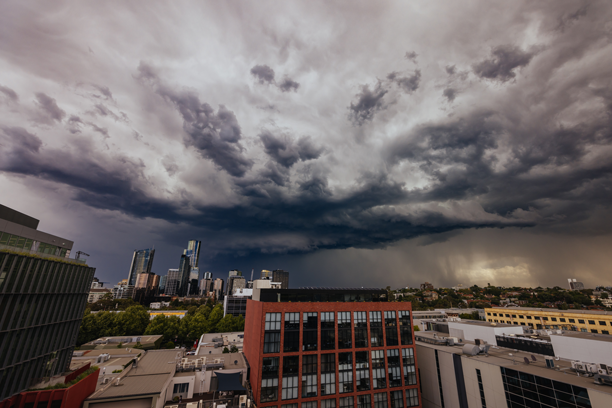
Texas weather is hard on roofs. Spring hail can crack or bruise shingles in ways you can't see from the ground. Along the Gulf Coast, hurricane winds can lift shingles or tear them off. Long stretches of summer heat wear roofing materials down faster, and sudden downpours test your gutters and flashing again and again.
That's why timing matters:
- After a big storm. Book an inspection soon. Damage is easier to document while it's fresh, and the Texas Department of Insurance advises filing a claim as soon as you can.
- Before summer. A spring check can catch hail and heat wear before it turns into a leak.
The three types of inspection
1. Walk-on inspection ($75 to $250)
The most common option. An inspector walks the roof and checks the shingles, the flashing, and the seals around vents and chimneys. Depending on the inspection, the attic may also be checked for leaks, moisture, ventilation, and structural issues. It's the most affordable choice and works well for roofs that are easy to reach and in decent shape.
2. Drone inspection ($150 to $400)
Good for steep, tall, or hard-to-reach roofs. A drone captures close-up photos and video of the whole roof without anyone climbing up. It's safer and faster, and the pictures make a clear record. The trade-off: a drone can't feel a soft spot underfoot. Many inspectors pair a drone with a walk-on check to get the full picture.
3. Infrared (thermal) inspection ($400 to $800)
The specialty option. A thermal camera picks up temperature differences across the roof. That can reveal trapped moisture, missing insulation, and heat loss a visual check won't catch. It's worth the extra cost when:
- You suspect a hidden leak
- Your insurer needs documentation for a flat or commercial roof
- You want to check your home's energy efficiency
When is an inspection worth paying for?
You don't need one every year in every case. These are the situations where a paid inspection can be especially useful:
It can help at insurance time, too. The Texas Department of Insurance notes that insurers inspect your roof when you apply for coverage, and they may charge more or decline based on what they see. It also points out that insurance won't pay for a new roof just because the old one is worn out.
How do I know I'm not overpaying?
Get more than one quote for anything beyond a routine inspection. Roof work prices vary a lot, and comparing multiple quotes can give you a better sense of the going rate for your specific roof and inspection type.
A paid, independent inspection helps too. You get an objective look at your roof and a written report you can use for insurance, a home sale, or repair quotes.
The Texas Department of Insurance also lists a few red flags:
- A contractor offers to waive your deductible. That's illegal under Texas law, and your insurer may ask for proof you paid it.
- You're asked to pay in full up front. Don't make the final payment until the work is done.
- The contract has blank spaces. Never sign one.
On uSource Hub, you can browse roofing Pros and compare their prices before you book, so the decision doesn't have to happen under pressure.
Prices in this post are general ranges for Texas. Your cost will depend on your location, your roof's size and pitch, the type of inspection, and the Pro you hire. These figures are for general information and aren't a quote. For an exact price, ask Pros directly.
Ready to find a roofing Pro?
Download uSource Hub and create your account to browse roofing Pros. Download uSource Hub and create your account to browse roofing Pros and other local home services, all in one place.
uSource. The app for everyday services.